


Skip to content
Skip to Content Skip to main content
Showroom hours

ADP registered vendor. Help with ODSP, March of Dimes, WSIB, VA and IFHP. ADP registered vendor. See how we help

Free in-home assessment across Toronto and the GTA. Free in-home assessment. Book a visit

Visit our showrooms in Etobicoke and Brampton. Showrooms in Etobicoke and Brampton. Find us

Service and repairs by our own team, at home or in store. Repairs by our own team. Request a repair

Federal tax credit for home access

Home Accessibility Tax Credit for ramps, bathrooms and other home access work

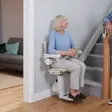
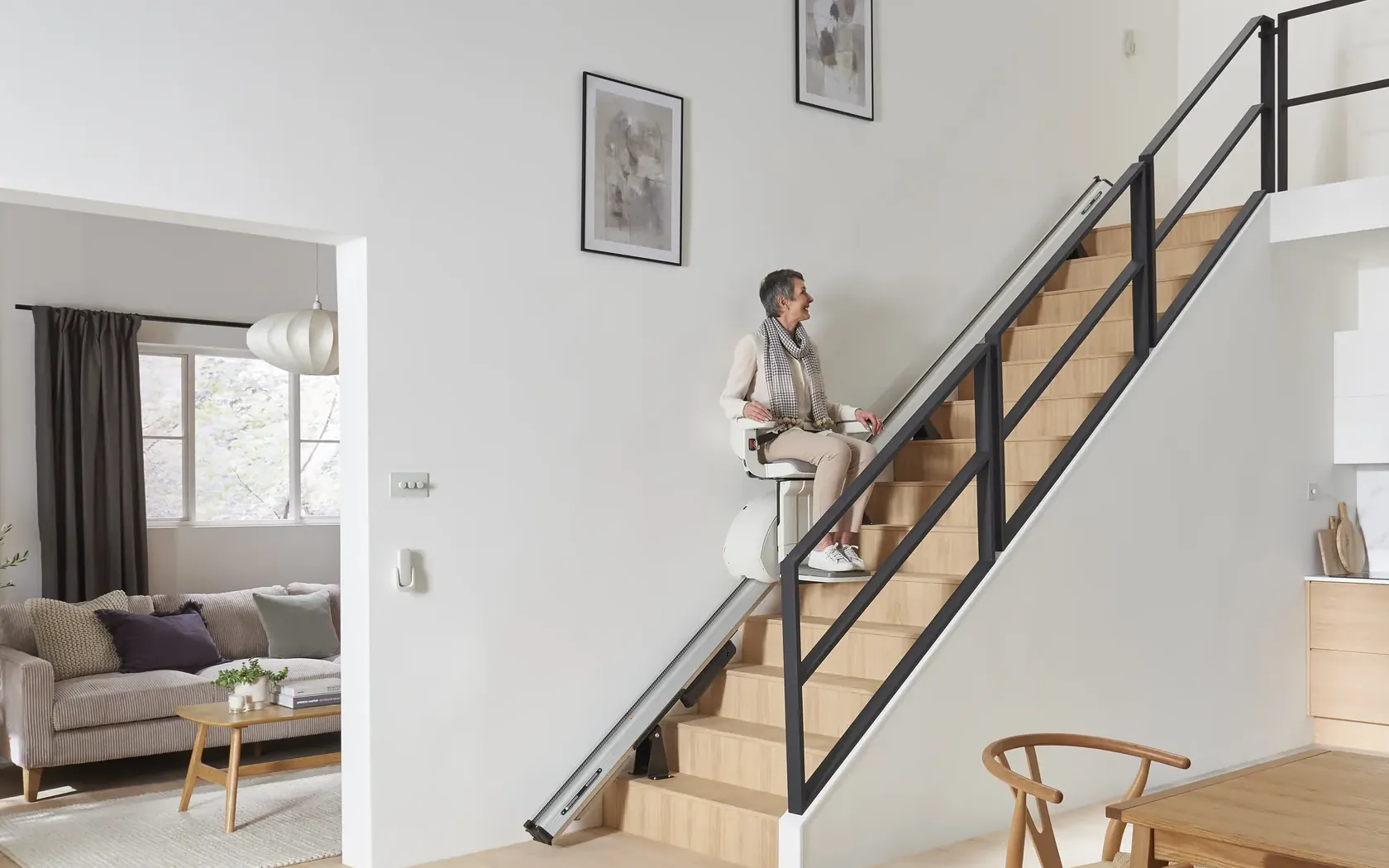
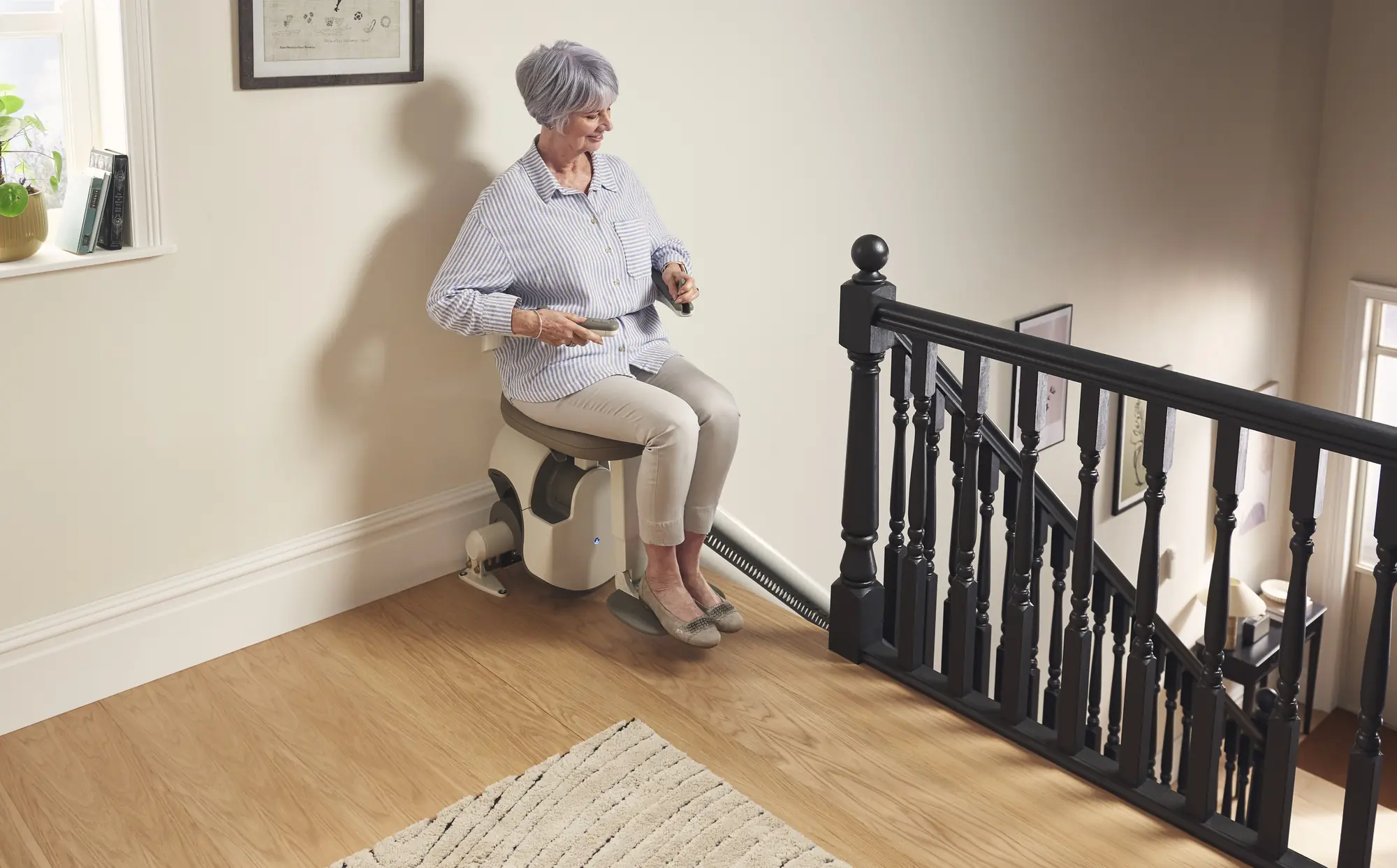
A woman riding a straight stairlift up an open staircase in a bright, modern home

Claim up to $20,000 of home access work a year

For seniors 65 and over and people eligible for the disability tax credit. You claim it on your tax return, with no application.

Could your work count?
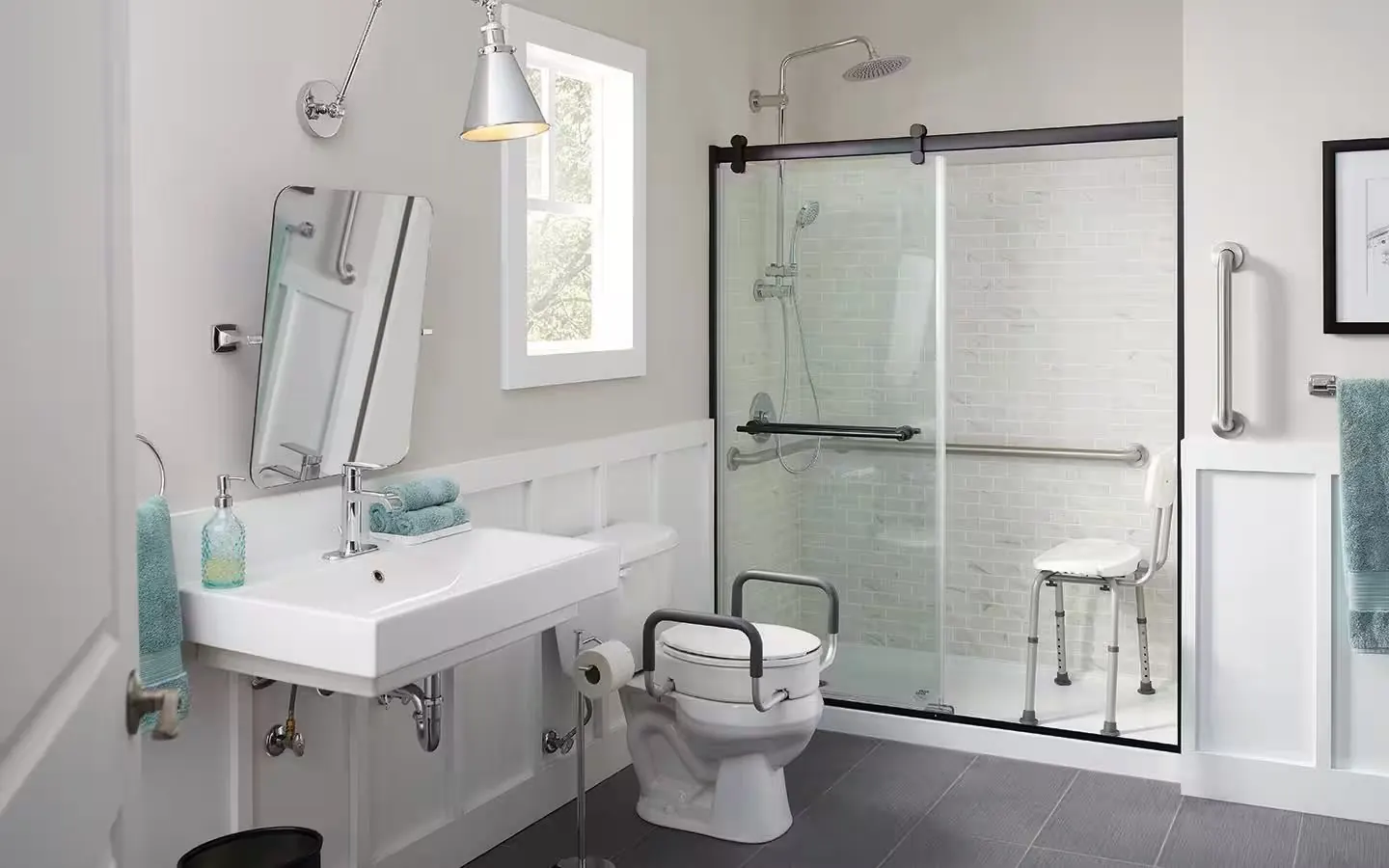
An accessible bathroom with a glass shower, grab bars, a shower chair and a raised toilet seat

New for 2026: 14%, and one credit per cost

A cost claimed as a medical expense can no longer be claimed here too. For 2025 returns, both were allowed.

What changed for 2026
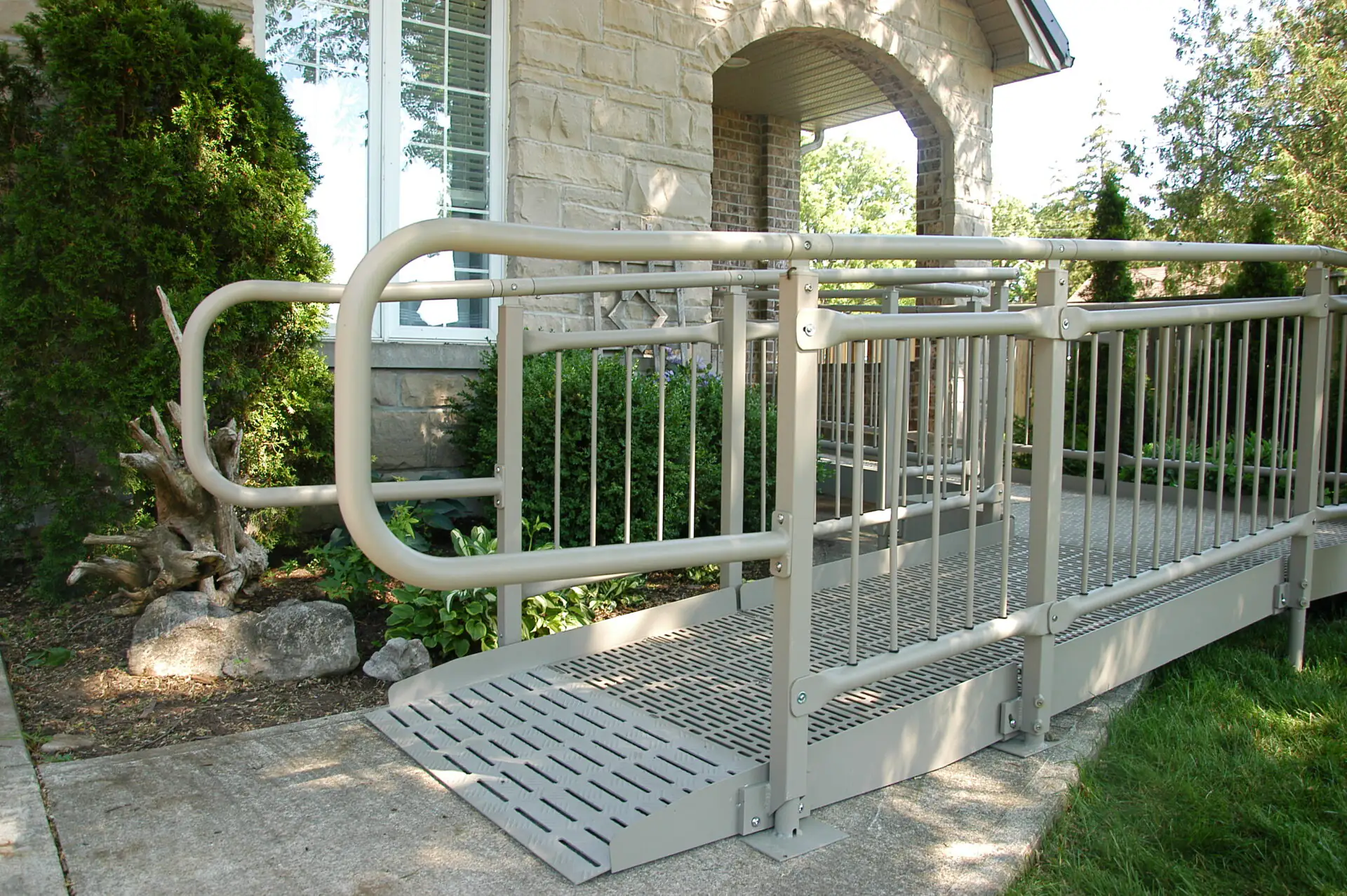
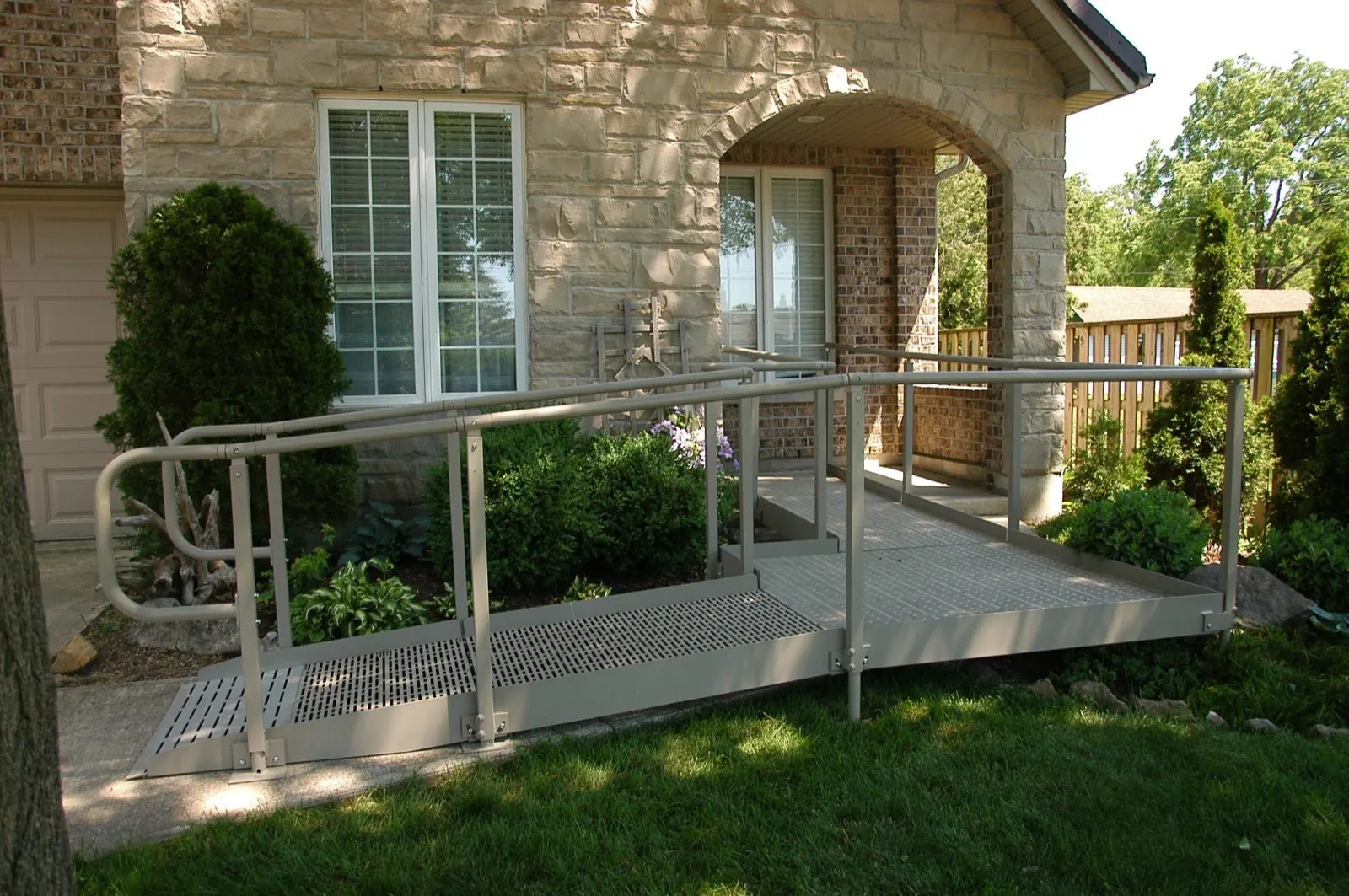
A modular aluminium ramp with handrails leading to the arched front entrance of a stone house

Ramps, grab bars, walk-in tubs and wheel-in showers

The examples Finance Canada gives of lasting work that makes a home easier and safer to use.

What can count
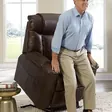
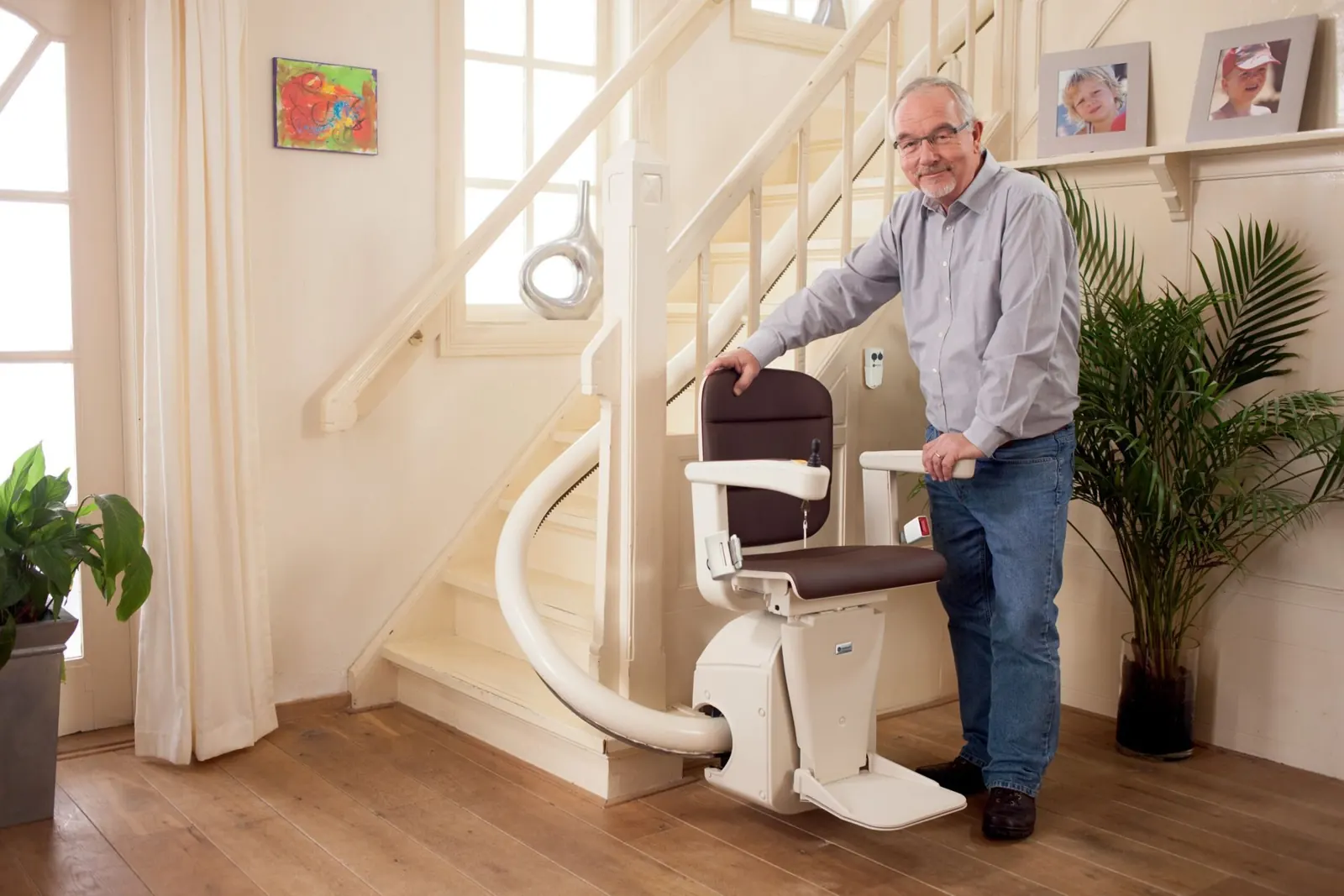
An older man standing beside a curved stairlift at the foot of a staircase in a bright hallway

An itemized invoice for your tax records

We measure, install and list each item and the installation, with our GST/HST number.

Book a free home assessment
  • Free home assessment
  • Written quotes for funding programs
  • Showrooms in Etobicoke and Brampton

HATC at a glance

Eligibility check

Could your home access work count?

It can count when the person is 65 or older at the end of the year or eligible for the disability tax credit, the home is owned by them or a family member they live with, and the work becomes a lasting part of the home. Four quick questions about the person, the home and the work. Nothing you choose leaves this page.

1Is the person the work is for 65 or older by December 31, or eligible for the disability tax credit?

Either one is enough. A spouse, partner or certain relatives can make the claim for them.

2Who owns the home?

It has to be in Canada, owned by the person or by a family member who lives there with them.

3Will the work become a lasting part of the home?

Installed lifts, ramps, grab bars and walk-in tubs are built in. Wheelchairs, scooters, walkers and beds are movable.

4Will you also claim this cost as a medical expense?

From the 2026 tax year, the same cost can go under only one of the two credits.

What each answer means

You may also claim the cost as a medical expense.

From 2026, pick one credit for each cost

For the 2026 tax year and later, a cost claimed under the medical expense tax credit cannot also be claimed under HATC. For 2025 and earlier returns, claiming both was allowed. Which one suits you depends on your return, so ask CRA or a tax professional.

Only the Canada Revenue Agency decides what you can claim, and a credit is not guaranteed. This is general information, not tax advice: call CRA at 1-800-959-8281 or ask a tax professional.
What changed for 2026Contact CRA

The person is under 65 and not eligible for the disability tax credit.

HATC is for seniors and people eligible for the disability tax credit

The person the work is for must be 65 or older at the end of the year, or eligible for the disability tax credit at some time in the year. Some installed equipment may still count as a medical expense.

Only the Canada Revenue Agency decides what you can claim, and a credit is not guaranteed. This is general information, not tax advice: call CRA at 1-800-959-8281 or ask a tax professional.
See which programs may helpTalk to us

The home is rented.

A rented home does not count

CRA's definition of an eligible home requires that the person, or an eligible family member who lives with them, owns it. Some costs may count as medical expenses instead.

Only the Canada Revenue Agency decides what you can claim, and a credit is not guaranteed. This is general information, not tax advice: call CRA at 1-800-959-8281 or ask a tax professional.
See which programs may helpContact CRA

The item is movable equipment.

Movable equipment does not count here

The work has to be lasting and part of the home. Wheelchairs, scooters, walkers and hospital beds are not, but some may count as medical expenses.

Only the Canada Revenue Agency decides what you can claim, and a credit is not guaranteed. This is general information, not tax advice: call CRA at 1-800-959-8281 or ask a tax professional.
The person is 65 or older or eligible for the disability tax credit, the home is owned, the work is built in, and you claim it only here.

Your answers fit CRA's basic rules

Keep the itemized invoice and proof of payment, then claim eligible costs, up to $20,000 for the year, on line 31285 using the chart on the Federal Worksheet. Do not send the receipts with your return; keep them in case CRA asks.

Only the Canada Revenue Agency decides what you can claim, and a credit is not guaranteed. This is general information, not tax advice: call CRA at 1-800-959-8281 or ask a tax professional.

Every rule, with its source
  • A qualifying individual is 65 or older at the end of the year, or eligible for the disability tax credit at any time in the year. Source: canada.ca
  • An eligible individual can also claim for them: their spouse or common-law partner, certain relatives, or someone entitled to claim the disability amount for them. Source: canada.ca
  • The home must be in Canada and owned (alone or jointly) by the qualifying individual, who ordinarily lives there, or by an eligible individual who lives there with them. Shares in a co-op bought to live in a unit count. Source: canada.ca
  • The work must be a renovation or alteration of an enduring nature that is integral to the home, and must help the person get into, move around or function in the home, or reduce the risk of harm. Source: canada.ca
  • A qualifying individual can have only one eligible home at a time. Source: canada.ca
  • From the 2026 tax year, a cost claimed under the medical expense tax credit cannot also be claimed under HATC. Source: lop.parl.ca, PDFSource: parl.ca

What can count

What can count as an eligible expense?

Lasting work that is built into the home and helps the person get in, move around or stay safe. Finance Canada names some examples; CRA's pages do not name our lifts, so each card says which is which.

Government assistance does not reduce it

CRA says eligible expenses are not reduced by government assistance, including grants, forgivable loans or tax credits. Source: canada.ca

What cannot be claimed (10)

Before you buy

Settle these before you pay

No approval is needed: you claim the credit on your tax return after the work is paid for. Before you pay, make sure the work will be built in and help the person get around or stay safe, that the home is owned by the person or a family member who lives with them, and, for 2026 and later, decide whether the cost goes under the medical expense tax credit or under HATC, because it can no longer go under both. Ask for an invoice that shows the vendor's name, address and GST/HST number, what was supplied and installed, the address, the dates and the amount, and keep proof of payment.

  1. One credit for each cost, from 2026For the 2026 tax year and later, a cost claimed under the medical expense tax credit cannot also be claimed under HATC. For 2025 returns, both were allowed. Source: lop.parl.ca, PDFSource: parl.caSource: canada.ca
  2. Built in, not movableThe work has to be lasting and part of the home, and help the person get in, move around or stay safe. Source: canada.ca
  3. An owned homeThe person, or an eligible family member who lives with them, must own the home. A rented home does not qualify. Source: canada.ca
  4. An itemized invoiceWith the vendor's name, address and GST/HST number, what was supplied and installed, the address, the dates and the amount, plus proof of payment. Source: canada.ca
  5. Tax questions go to CRAThis page is general information, not tax advice. CRA or a tax professional can tell you how a cost fits your own return. Source: canada.ca

How to apply

How do you claim HATC?

There is no application and no approval. You pay for the work, keep the itemized invoice, and claim the cost on line 31285 of your tax return for that year.

  1. Check the person, the home and the work

    The person is 65 or older or eligible for the disability tax credit, the home is owned by them or a family member who lives with them, and the work is built in. Source: canada.ca

  2. Decide which credit gets each cost

    From the 2026 tax year, a cost claimed as a medical expense cannot also go on line 31285. CRA or a tax professional can help you choose. Source: lop.parl.ca, PDFSource: canada.ca

  3. Pay and get an itemized invoice

    It should show the vendor's name, business address and GST/HST number, what was supplied and installed, the address of the work, the dates and the amount. Keep proof of payment. Source: canada.ca

  4. Fill in the line 31285 chart

    Use the chart for line 31285 on the Federal Worksheet (5000-D1) in your tax package or software. Source: canada.ca

  5. Claim it on your return

    Enter up to $20,000 of eligible costs for the year on line 31285 of the return for the year you paid. Source: canada.ca

  6. Keep the records

    Do not send receipts with your return. Keep them in case CRA asks to see them later. Source: canada.ca

Dates and limits

2025 tax year
Valued at 14.5%. The same cost could be claimed as a medical expense too. Source: canada.caSource: lop.parl.ca, PDFSource: canada.ca
2026 tax year and later
Valued at 14%. A cost claimed as a medical expense cannot also be claimed here. Source: canada.caSource: lop.parl.ca, PDF
The law
Bill C-15 received Royal Assent on March 26, 2026; the change applies from January 1, 2026. Source: parl.caSource: lop.parl.ca, PDF
When you claim
Once a year, with your tax return, for costs paid in that year. Source: canada.ca

The records to keep

You claim on your tax return and keep these in case the Canada Revenue Agency asks. Tick each one as you gather it; your ticks stay in this browser.

Call (905) 798-1853

Tick each document as you gather it.

  • Source: canada.ca
  • Source: canada.ca
  • Source: canada.ca
  • Source: canada.ca

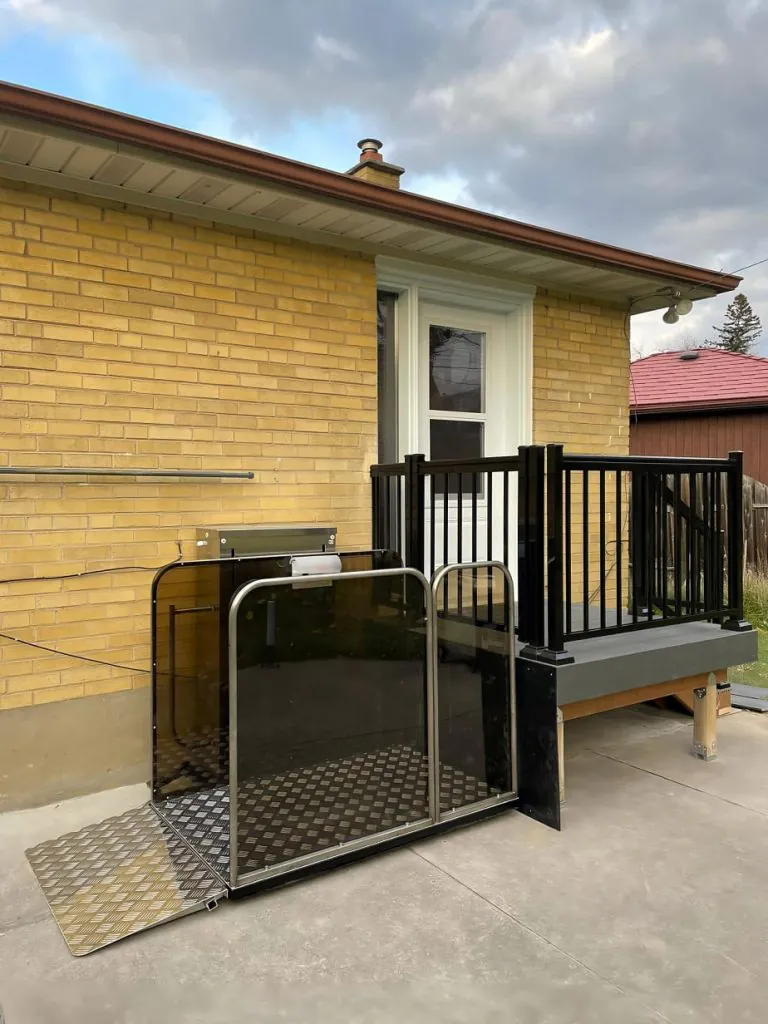
A vertical platform lift with glass panels installed beside the raised back door of a brick bungalow

How we help

What do we do for your HATC claim?

Our part is the work and the paperwork that goes with it: measuring, installing, and an invoice that shows what CRA asks you to keep. Tax questions go to CRA or a tax professional.

  • Free measuring at homeWe measure your stairs, entrance or bathroom and tell you what fits.
  • An itemized invoiceOur business name, address and GST/HST number, the installation address and dates, and each item and the installation listed separately.
  • Built in or movable, made clearWe note which items are installed and which are movable equipment, so you and your tax preparer can sort them.
  • Installation and serviceWe install stairlifts, porch lifts, ramps and bathroom changes, and service what we install.

Questions

Straight answers about HATC

Anything else about the equipment or the quote, ask us. Questions about your application go to Canada Revenue Agency.

Call (905) 798-1853

Is a stairlift eligible for the Home Accessibility Tax Credit?

CRA's pages do not name stairlifts, but a stairlift fixed to the stairs appears to fit its test: lasting work, part of the home, that helps a senior or a person with a disability move around safely. Keep the itemized invoice. From the 2026 tax year, claim it under this credit or as a medical expense, not both, and ask CRA or a tax professional if you are unsure.

Source: canada.caSource: lop.parl.ca, PDFSee our stairlifts

How much is the Home Accessibility Tax Credit worth in 2026?

It is 14% of up to $20,000 of eligible costs for the 2026 tax year, so up to $2,800 off your federal tax for most people. For 2025 the rate was 14.5%, up to $2,900. From 2025 to 2030 a temporary top-up keeps 15% on credit amounts above the first tax bracket threshold ($58,523 in 2026).

Source: canada.caSource: lop.parl.ca, PDF

Who can claim the Home Accessibility Tax Credit?

A person who is 65 or older at the end of the year, or eligible for the disability tax credit, can claim it for work on a home they own and live in. Their spouse or common-law partner, certain relatives, or someone who can claim the disability amount for them can also claim, if they own the home and live there with them.

Source: canada.ca

Can I claim the same renovation as a medical expense and a home accessibility expense?

Not from the 2026 tax year. Bill C-15, which received Royal Assent on March 26, 2026, made costs claimed under the medical expense tax credit ineligible for this credit from January 1, 2026. For 2025 and earlier returns, claiming both was allowed, and CRA's line 31285 page for 2025 still says so.

Source: lop.parl.ca, PDFSource: parl.caSource: canada.caWhat changed for 2026

Do I need approval before I buy?

No. It is a tax credit, not a grant, so there is no application or approval. You pay for the work, keep the itemized invoice and proof of payment, and claim it on your return; CRA may ask to see the records later.

Source: canada.caWhat to keep for your claim

Is the Home Accessibility Tax Credit refundable?

No. It is non-refundable, so it can only reduce the federal income tax you owe for the year.

Source: canada.ca

Can renters claim the Home Accessibility Tax Credit?

No. CRA's definition of an eligible home requires that it be owned by the person, or by an eligible family member who lives there with them, so a rented home does not qualify.

Source: canada.ca

Does a wheelchair, scooter or hospital bed count for the home accessibility tax credit?

No. Things that can be used apart from the home, such as wheelchairs, scooters and hospital beds, do not count here. Some may count as medical expenses instead.

Source: canada.caSource: canada.caOntario Seniors Care at Home Tax Credit

Does a government grant reduce the Home Accessibility Tax Credit?

No. CRA says eligible expenses are not reduced by government assistance, including grants, forgivable loans or tax credits.

Source: canada.ca

Is the Ontario Seniors' Home Safety Tax Credit still available?

No, it has ended. It applied only to the 2021 and 2022 tax years; Ontario's page has been retired, and the 2025 Ontario credits form (ON479) has no line for it.

Source: ontario.caSource: canada.ca

Contacts

Who do you contact about HATC?

Questions about the program, your application or a decision go to Canada Revenue Agency. Questions about the equipment, measuring and the quote come to us.

Free home assessment

Book your free home assessment

We measure, show you what fits and give you an itemized quote, then an invoice and receipt for your tax records. We reply within one business day.

We reply within one business day.

Thank you. We will be in touch within one business day.

We will arrange your free home assessment.

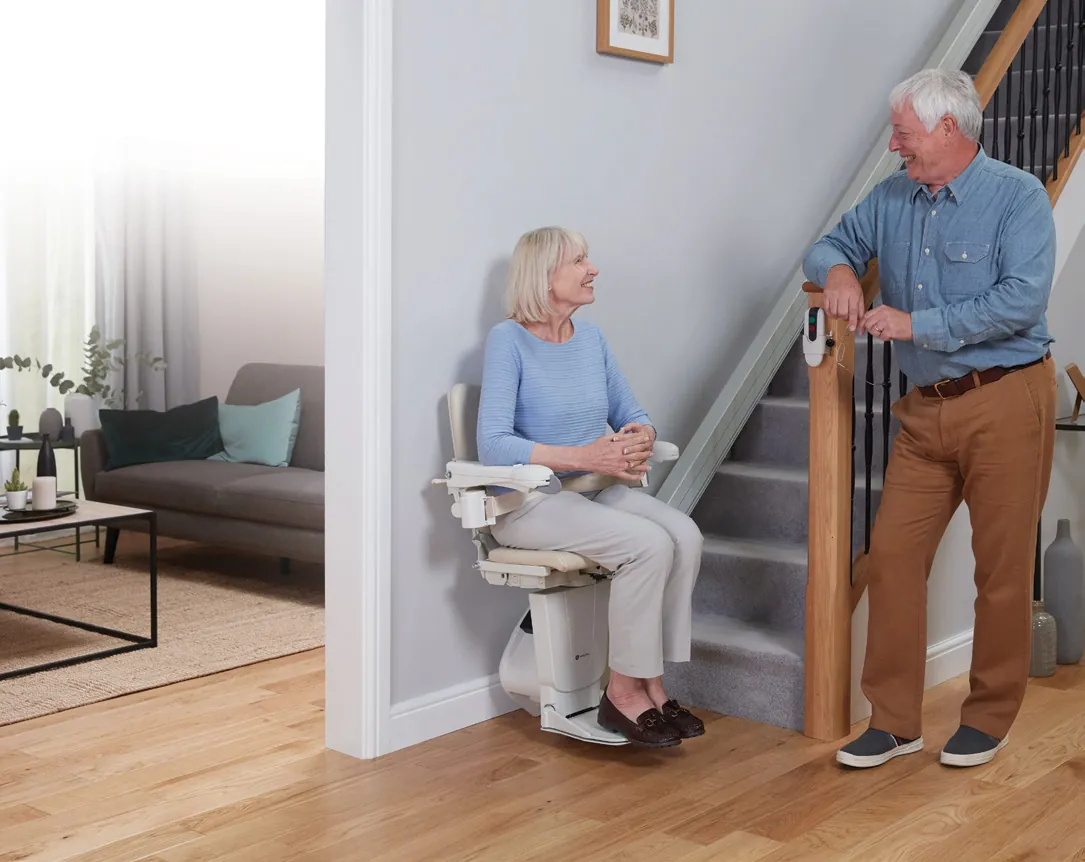
A woman on a stairlift by the bottom step, talking with her husband on the stairs

Rather talk it through?

Call us during showroom hours.

Call (905) 798-1853

Etobicoke showroom

Unit 16B, 106 Humber College Blvd, Etobicoke M9V 4E4

Monday to Friday 9:00 am to 5:30 pm; Saturday 10:00 am to 2:00 pm; Sunday Closed

Directions to Etobicoke

Brampton showroom

Unit 7, 15 Fisherman Drive, Brampton L7A 1B7

Monday to Friday 9:00 am to 5:30 pm; Saturday 10:00 am to 2:00 pm; Sunday Closed

Directions to Brampton